
Automatic Driving Lessons Barrow in Furness
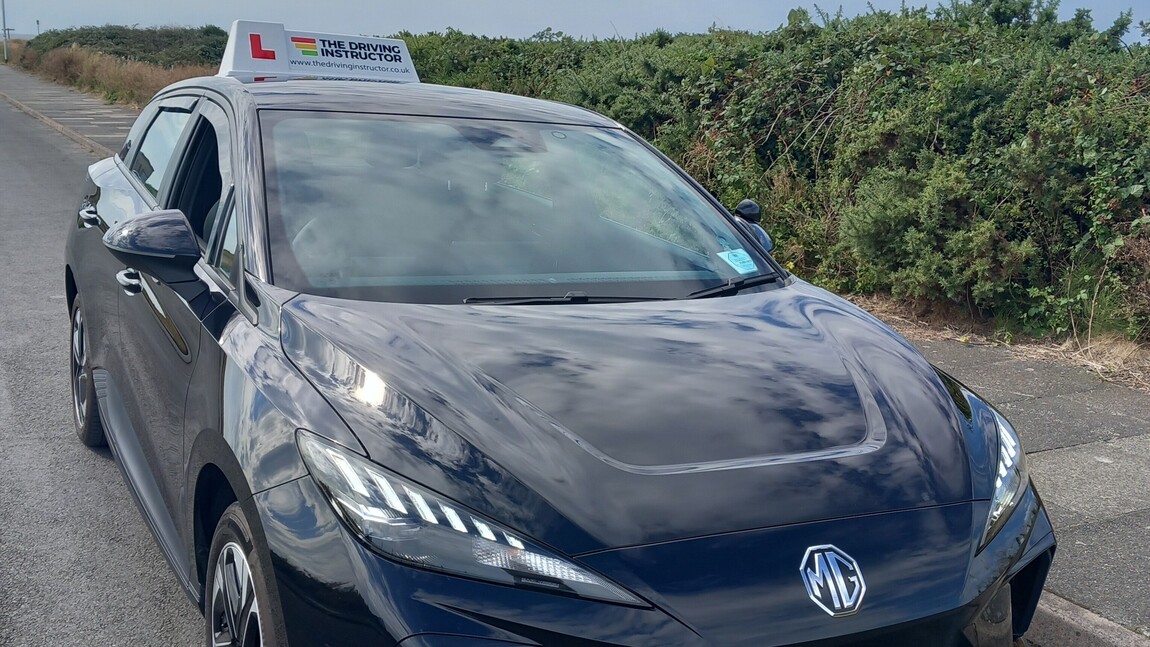
Welcome to the website of The Driving Instructor, I hope that you find these pages useful. If you have landed here, it's normally because you want to learn to drive - so it's important to know that I only offer Automatic Driving Lessons.
Firstly, we have to be realistic. Learning to drive a car either in an automatic or a manual is a process that requires a great deal of commitment from the learner - it's going to take some time! Just how long it is impossible to say. I've had pupils who have tried learning for years and are still trying and I've also had someone parallel park on their first lesson with no experience, the truth is people are just different. The DVSA claim an average of 47 hours plus 20 hours private practice is what is required for someone to pass their driving test, I guess that is for manual cars and automatics should be less.
Why does it take so long to learn to drive? Well, the answer is relatively simple - it's an extremely complex task that constantly requires your full attention to respond to the fast moving and changing environment that you are operating in. In order to pass your driving test, you have to prove to both you Instructor and your examiner that you have reached a minimum standard of driving where you can continue to develop your skills by yourself.
If you want to learn to drive an automatic car with me, please don't come along thinking I'll do ten lessons and "have a go at the test." I want to make sure that you are ready for your driving test and are going to be safe.
Stages of Learning to drve
*Basic Car Control that is learning how to operate the controls of the car. To become smooth and efficient at moving off, steering, braking etc alongside physically operating the car's controls is the all important topic of observation. How to use your mirrors, checking blind spots, knowing where to look and when.
Driving in a traffic System* for us in the UK this means driving on our roads following the guidance of the Highway Code and other associated laws. This section includes how to deal with junctions, roundabouts different types of roads, pedestrians and vulnerable road users etc
Traditionally, driver training has focused on these two stages, because that's what they're going to test you on! Is it going to make you a good driver .... definitely not!
Preparing for a journey
The driving test won't test you this aspect but everyday, every time you step into your car you're going to need it. Take for example the "simple task of driving to work" it's just one of those things which is taken for granted - everyone does it and a lot is taken for granted. First look at yourself, are you fit to drive? are you full of cold and dosed up on tablets that make you drowsy and sluggish; did you have a late night? were you drinking and hoping that 5 hours sleep is enough to flush the alcohol from your system? did you get up late and you've spent 30 minutes running around the house trying to do everything you would do in 90 minutes? There are lots of things that affect our ability to drive safely and considerately. So to be a safe driver you have to be honest with yourself and be aware of your limits, it may even be considering another mode of transport or a different course of action. A good example is coming back from your holidays. You've spent a week or two making the most of the all inclusive, the plane lands at the airport late in the evening, you're tired and emotionally drained. It's pouring with rain and you have a 3 hour drive ahead of you - not the best thing in the world! In a situation like this you are at a much greater risk of causing an accident, it's dangerous. What can we do about it? Well the options could be travel by train or taxi, stay the night at a hotel and continue your journey the next day. All this of course comes at an economic cost, but the price of a serious accident isn't paid in pounds.
Is your car roadworthy? Have you kept up with your checks? lights, tyres, windscreen wash? Does it need a service or MOT soon? Have you insured the car properly?
What route are you going to take? are there roadworks or diversions? Is it busier at a certain time of day? Where can I park safely and legally? Are there any time restrictions on parking? So you can see that the planning of a journey is not really a simple task there are lots of different aspects to it. The reason it seems easy is because we are creatures of habit and if we do the same journey frequently we can get a bit over familiar with it, so you may end up driving to work with a brake light out because it's only ten minutes and it won't really matter.
Self perception and reflection
This might seem a strange stage to include in our topic, but it's probably the most important. How do we see ourselves? Well, in the above example of returning from holiday there is a type of person who'll recognise the risk and do all they can to mitigate them. On the other hand, a different person will see it as a bit of a challenge. "I've never been pulled in by the police before" or "I can battle through the fatigue - I'll be alright." People respond to different situations in lots of different ways. Some are easily swayed by peer pressure or others are so full of their own self importance that they see things in terms of their right, my time and satisfaction are the most important things in any situation. All these negative traits are undesirable in a driver and often lead to conflict and accidents. However, all of us are guilty of this to a greater or lesser extent and that's where self reflection comes in for driver training. Unless we as drivers have the ability to consider our actions and attitudes and learn from our mistakes we'll never improve and we'll spend the rest of our lives driving about like Mr Angry, thinking that we are the best driver on the road and everyone should get out of their way. Drivers like this aren't just rude, they are dangerous. Driving is a thinking game we don't just drive a bit of metal around a road with other bits of metal, we interact with people. As such, there needs to be rules and laws for everyone's safety and well being, but there also has to be understanding of other peoples' perceived failures and mistakes. Considering the needs and feelings of other road users is a skill that we all need to develop and exercise daily.